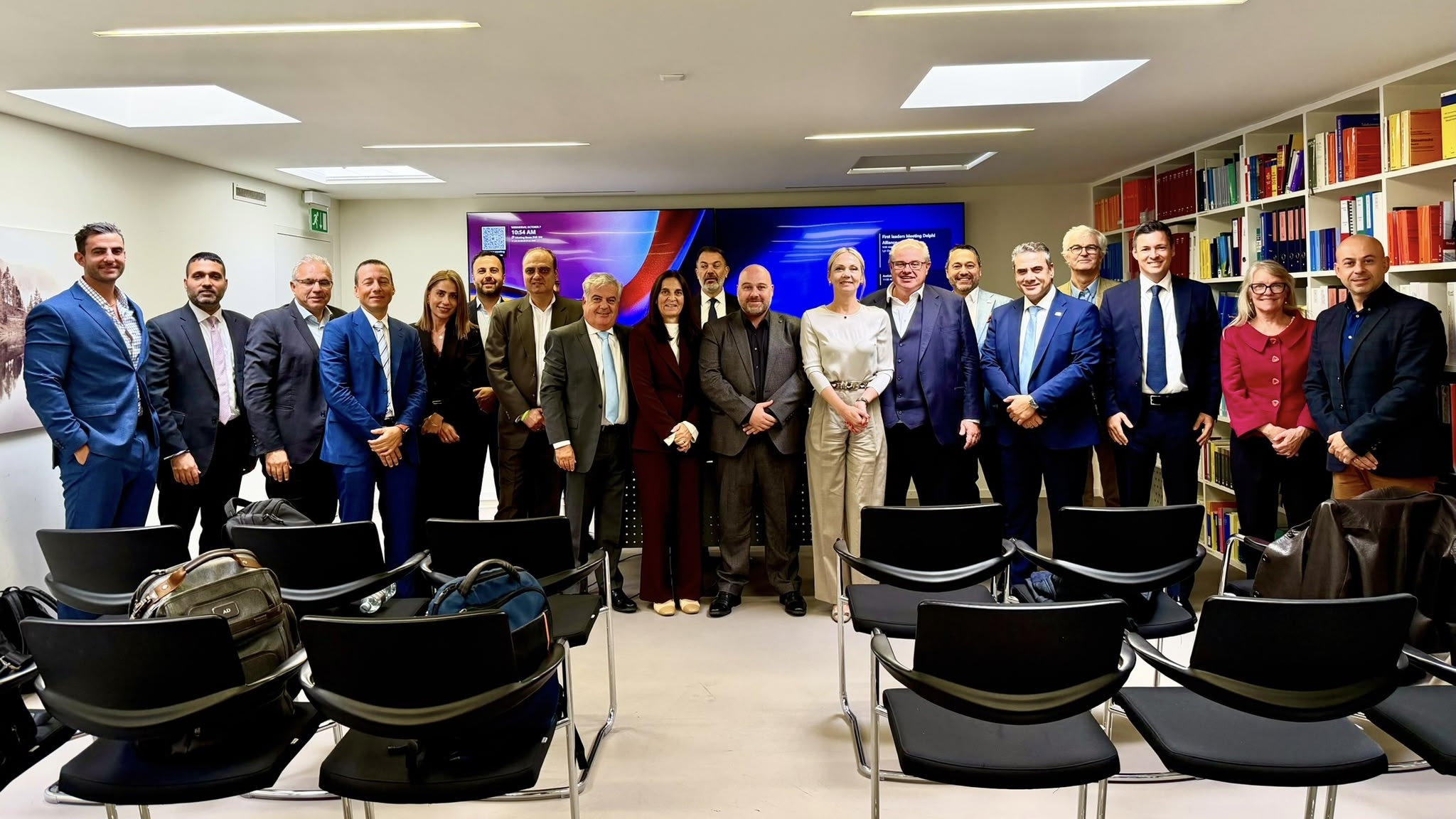
Moebius participated in the Delphi Alliance European Tour 2026 – Leaders’ Club Day, held on October 7, 2026, in Zurich, Switzerland.
Representing Moebius was Sudhir Bale, Business Development Executive – EMEA & International Markets, who had the opportunity to connect with business leaders, professional services organizations, and strategic partners.
The event provided a valuable platform for exchanging perspectives on business challenges, operational priorities, and the evolving role of technology in supporting organizational growth.
Based on the conversations and perspectives exchanged during the event, six key themes emerged that reflect the priorities shaping business operations and digital transformation.
Organizations increasingly recognize the challenges of operating across multiple disconnected software applications.
Fragmented systems often result in duplicated information, inconsistent processes, and limited visibility between departments. Rather than introducing additional standalone tools, businesses are looking for ways to connect their existing operations within a more structured environment.
The focus is shifting toward integrated platforms that bring together data, processes, and workflows, allowing teams to collaborate more effectively and access reliable information.
For professional services organizations, this means moving toward a unified approach to managing clients, compliance, documents, and daily operations.
Reducing manual administration and repetitive tasks remains an important objective for organizations seeking greater operational efficiency.
Businesses are exploring opportunities to automate routine processes, reduce administrative bottlenecks, and improve consistency across departments.
From document approvals and task assignments to compliance reviews and internal reporting, workflow automation can help organizations reduce manual intervention while maintaining accountability.
Importantly, automation is not simply about completing tasks faster. It is also about establishing structured processes that support consistency, transparency, and business continuity.
As business operations become more complex, management teams need reliable access to information to make informed decisions.
When client records, documents, compliance activities, and operational tasks are managed across disconnected systems, maintaining a clear overview becomes increasingly difficult.
Organizations are therefore placing greater emphasis on centralized information, reporting capabilities, and visibility across departments.
Having access to accurate, up-to-date information enables leadership teams to monitor activities, identify potential issues, and maintain greater control over business operations.
Compliance is increasingly viewed as an integral part of business operations rather than a separate administrative function.
Organizations need to demonstrate not only that policies and procedures exist, but also that they are consistently applied, documented, and monitored.
This requires clear responsibilities, structured approval processes, accessible supporting documentation, and reliable audit trails.
Integrating compliance requirements into everyday workflows can help organizations maintain traceability, strengthen accountability, and improve their readiness for internal reviews and regulatory inspections.
For regulated professional services organizations, the ability to retrieve historical information and demonstrate how decisions were made is particularly important.
Artificial intelligence continues to attract considerable interest as organizations explore its potential to improve productivity and support decision-making.
However, meaningful AI adoption depends on the quality and accessibility of the information available to an organization.
Disconnected systems, inconsistent records, and unstructured data can limit the effectiveness of AI-driven solutions.
Before introducing AI into business processes, organizations need to consider the underlying foundations: reliable information, connected workflows, structured data, and appropriate governance.
A well-organized digital environment provides a stronger basis for evaluating and implementing AI capabilities responsibly.
Digital transformation is not solely a technology challenge. It also requires collaboration between business leaders, professional services organizations, technology providers, and strategic partners.
Exchanging knowledge and understanding different operational requirements can help organizations identify practical solutions to common challenges.
Events such as Delphi Alliance Leaders’ Club Day create opportunities for these conversations, bringing together professionals with different experiences and perspectives.
Building strong professional relationships and sharing expertise remain important elements in helping businesses adapt, improve their operations, and pursue growth opportunities.
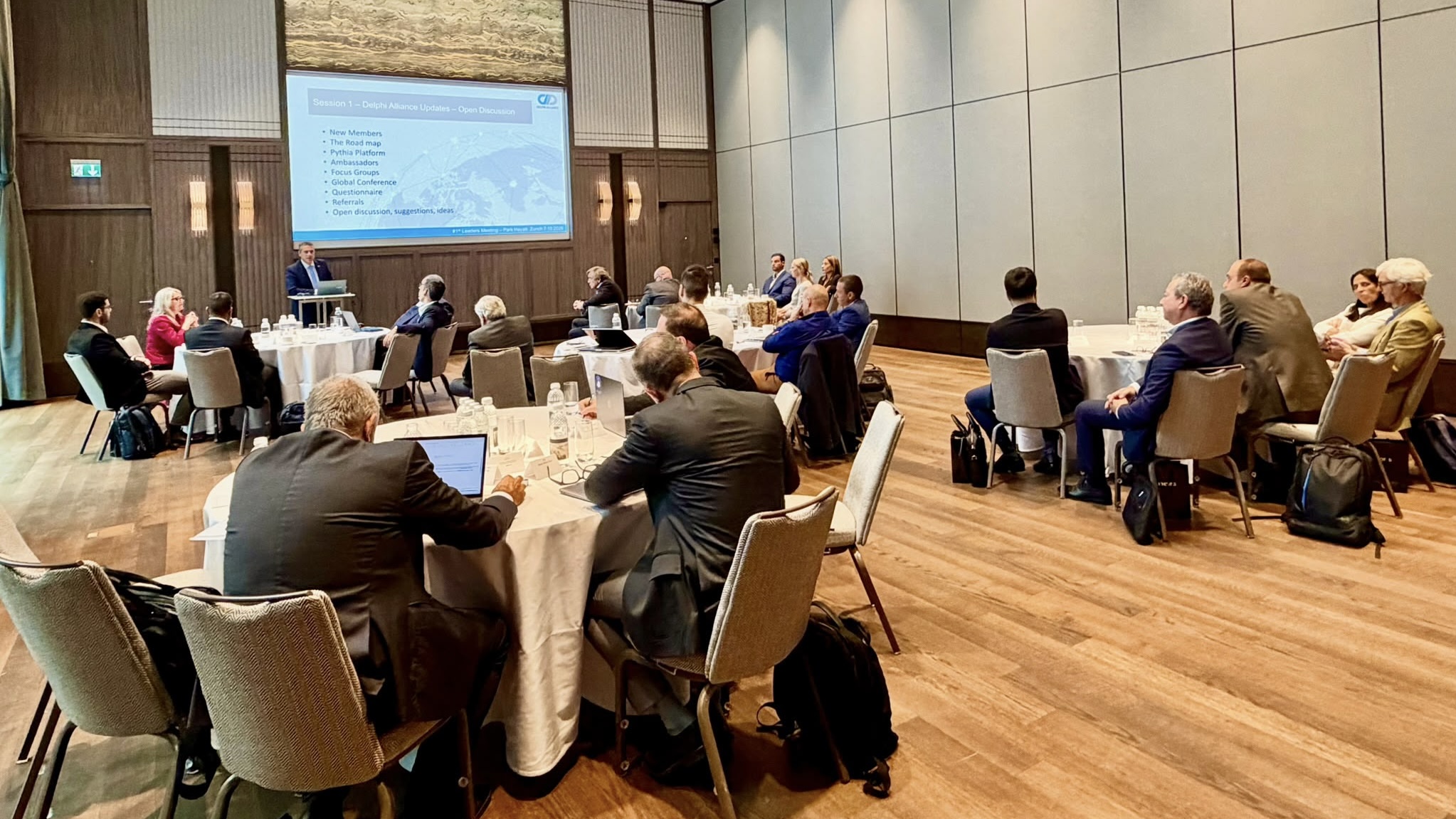
One of the central takeaways from the discussions in Zurich is the changing way organizations approach business technology.
The question is no longer simply:
“What software should we use?”
Increasingly, the more relevant question is:
“How can technology help us connect our business, automate processes, and make better decisions?”
This shift reflects a broader understanding that technology delivers greater value when information, people, and processes work together.
For professional services organizations, connecting compliance, corporate management, document management, client relationships, and operational workflows can contribute to greater efficiency, improved visibility, and more consistent business processes.
At Moebius, this connected approach is central to our software platform.
Moebius brings together business management capabilities, including corporate management, AML/KYC and compliance, document management, contact management, billing, and operational workflows, within an integrated environment.
By connecting information and processes across business functions, the platform helps professional services organizations reduce fragmentation, improve collaboration, and maintain greater visibility and control over their operations.
As businesses continue to evaluate their technology requirements, the ability to connect systems, structure information, and support consistent workflows will remain an important consideration.
Moebius would like to thank Delphi Alliance for the opportunity to participate in the European Tour 2026 – Leaders’ Club Day in Zurich.
We also extend our appreciation to the business leaders, professionals, and strategic partners who shared their perspectives and experiences throughout the event.
We look forward to continuing these conversations and exploring opportunities for collaboration.
To learn more about how Moebius supports connected business operations, explore our solutions or contact our team to arrange a demonstration.

Provide us with a bit of information about your business needs and we will be in touch to arrange a no commitment demonstration.


"*" indicates required fields